
Getting Your Film on Netflix Cannot Be the Main Goal
Why most athlete media projects fail before the cameras arrive, and what the first question should actually be before any production begins.

The Sixty-Second Mistake
Almost every athlete who sits down to talk about a documentary says the same thing in the first sixty seconds.
“I want to get on Netflix.”
Which is fine. Except Netflix does not accept unsolicited submissions from anyone. Getting a pitch in front of a Netflix buyer requires an established industry relationship, a licensed agent, producer, attorney, or manager who already has access. One independent filmmaker documented it took him over a decade to get there independently. Most athletes have a two-year window of peak cultural leverage after they retire. Those two timelines do not overlap in any useful way.
So Netflix is a destination. It is not a strategy. And I have never once seen a production built around getting on Netflix actually get on Netflix. I have seen several that tried, ran out of runway, and left the athlete with a film, a depleted window, and no clear answer for what comes next.
Before we talk about distribution, format, or who is going to shoot it, I ask one question.
What is this film for?
Not where do you want it to go. What is it for? Right now. For you. For what you are building. The answer to that question determines everything downstream. Without it, the most expensive thing you can do is start.
The Wrong Answer Is More Common Than You Think
I have had this conversation enough times to know the patterns. The wrong answers are not random. They cluster.
Some athletes want the spotlight back. They miss the visibility, the recognition, the feeling of being relevant in every room they walk into. The documentary is not a strategy for them. It is a nostalgia play dressed up as a media project. And a film built around wanting to be seen will feel like that on screen, because the camera is not sentimental and audiences are not either.
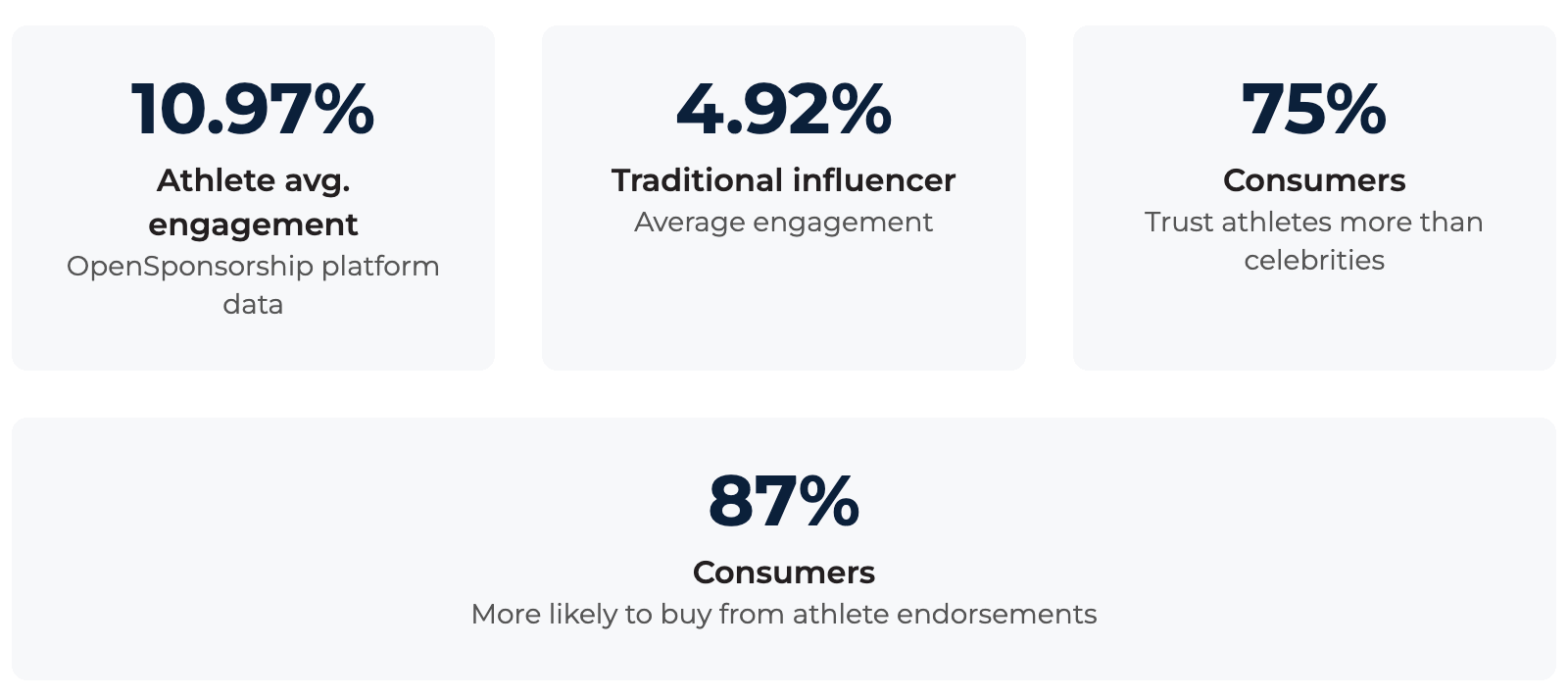
Some athletes have been telling their own story on social media for years and believe that is enough of a foundation. And on one level they are right. Athletes on social platforms achieve an average engagement rate of 5.6 percent, more than double the 2.4 percent average for standard influencers. The audience is real. The engagement is real.
But a social following built around a career is not the same thing as a brand built around the next chapter. Posting consistently is not a strategy. It is activity. There is a version of this I see regularly: an athlete with a million followers, four years of daily content, and no answer for what any of it is building toward. The algorithm is well fed. The strategy is not there. And 73 percent of brands now prioritize engagement rate over follower count when evaluating partnerships, which means the athlete who has been posting daily for three years without a clear narrative direction is not necessarily in a stronger position than one who has been quiet and building something coherent. They just have more content. The algorithm got its meal. The brand did not.
Some athletes are ready to produce but have not finished the story they are inside. They say they are not ready for a documentary because the career is not over yet, or because the transition is still happening, or because they have not figured out what comes next. This one I respect. It is at least honest (although, Afterburn has our “Legacies in Motion” series for this specific principal). A film shot before the athlete knows what they are building will end in the same place: mid-sentence.
All three of those responses have something in common. They are each treating the film as the strategy instead of as the output of the strategy. That is the mistake. And it costs more than most people realize before they make it.
What It Actually Costs to Get This Wrong
The budget conversation is where most people start when they think about production risk. That is not where the real cost lives.
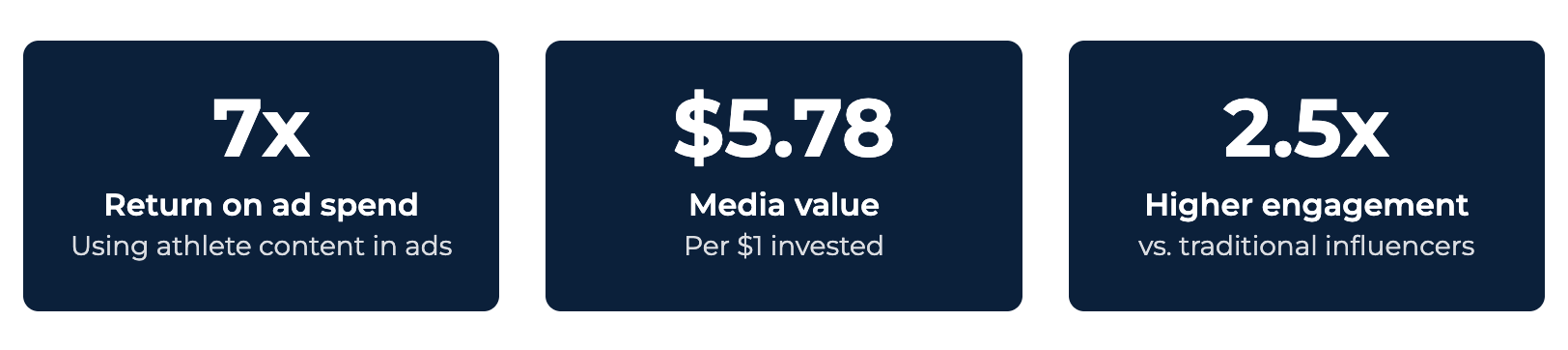
Time is the asset that does not come back. An athlete in the two-year window of peak cultural leverage after retirement who spends six months in production on a film without a clear northstar has spent six months of that window on something that may not serve the next chapter at all. That is not a budget problem. That is a window problem. And once the window narrows, the leverage narrows with it.
Beyond time, there is everything that gets built around the production before anyone catches the problem. Sponsors aligned to the project. Key advocates identified to speak on behalf of the principal. An outline built around a narrative arc that serves the production company more than it serves the athlete. All of it assumes the northstar is clear. When it is not, every one of those decisions is provisional at best and actively misleading at worst. That’s a bad look for everyone involved.
The sponsor piece is worth sitting with for a moment. Brands generated $1.8 billion in adjusted ad value from athlete social media posts in a single year. The sponsorship market is real and it is large. But sponsors align with athletes who have a clear story and a clear direction, not with athletes who are mid-process and mid-definition. I’ve been in those meetings. The athlete is compelling. The career is real. The production looks serious. And the sponsor asks one question: what is this building toward? The silence in that room is expensive.
And then there is the brand damage question, which is the one nobody wants to talk about in a first meeting but becomes very relevant after a film is released. A documentary that misrepresents who an athlete actually is, not intentionally, but because the production was built around what a network would greenlight rather than what the athlete needed, does not just underperform. It actively works against the story the athlete is trying to tell in every room they walk into after the release. That is not theoretical. The film exists. The athlete cannot take it back. It’s a PR nightmare and leads to athletes not wanting to engage documentary film, when in reality, a doc done right, with a clear strategy, ROI, distribution framework, etc., can be a massive win for the principal.
The Order of Operations
So what does right look like? Here is the sequence, in order, before a camera appears.
First: the passion and skill audit. Not what sounds good in a press release. Not what the agent thinks will attract brand deals. What does the athlete genuinely care about? What are they actually good at that has nothing to do with the sport? If the heart is not in it, it will not gain traction. The audience can tell. The camera definitely can. A film built around something the athlete does not actually believe in is a long and expensive way to find that out.
Second: the media and brand audit. What exists right now? Social channels, brand voice, visual identity. What is working, what is sending the wrong signal, what is missing. Most athletes have a digital presence built entirely around the sport. That made sense when the sport was the story. Now it is the backstory. The next chapter needs its own foundation, and you cannot build that foundation without first understanding what already exists.
Third: narrative strategy and brand architecture. Who is this person becoming? What is the story of the next chapter, told in a way that is true to who they actually are and useful for what they are actually building? This is the advisory work. It cannot be outsourced to a production company because a production company’s job is to make a compelling film, not to architect a brand. Those are related but not the same.
Fourth: runway and milestones. Where does this lead? What does the business look like in two years? What does the media presence look like? What are the specific milestones between here and there? A northstar without a map is a feeling, not a strategy. The map is what makes it executable.
Fifth, and only fifth: production begins. Now every frame has a reason. Now the production serves the athlete. Now when a director suggests a narrative direction, the athlete has the clarity to evaluate whether it is true to what they are building or whether it is the version that gets the greenlight. That distinction matters. It matters a lot.
Why Most Productions Skip This
The honest answer is that the strategy work is not visible. It does not generate a sizzle reel. It does not make a good announcement. Nobody posts about completing their brand architecture on Instagram, and if they did, the engagement would be disappointing. There is no ceremony for finishing the narrative strategy. There is a very nice ceremony for the day the cameras arrive.
The cameras are the exciting part. The crew, the locations, the early cut footage that looks like something real is happening. Production companies are structured to produce, and they are good at it. The pressure to move from conversation to production is real because that is when things start looking like progress. Progress and preparation are not always the same thing. One of them is more photogenic.
But what looks like progress and what is actually progress are not always the same thing. An athlete who completes the strategy work before production begins will spend less time in production, make better decisions in production, and come out the other end with a film that serves the strategy. An athlete who skips it and moves straight to cameras will spend more time, more money, and more of their window trying to retrofit a strategy onto a film that was already built around someone else’s idea of what would get watched.
The financial advisor is always in the room. The production company is usually in the room. The person asking what the film is actually for is not always there. That is the gap we work in.
What the Northstar Question Actually Changes
I want to be direct about what changes when an athlete can answer that question with real specificity, because I have been in both versions of the conversation.
In one version, the athlete knows. The sponsors who come in are the right ones. The advocates chosen to speak on the principal are chosen because they serve the story. The format, the length, the distribution strategy, all of it gets shaped by the northstar. The production runs cleaner, costs less in revisions, and the athlete walks out the other end with something that keeps working.
In the other version, nobody asked. The film gets made. It might even be good. And the athlete is still trying to explain what it was for a year after the release.
When an athlete can answer the question with real specificity, everything downstream changes.
The sponsors who align with the project are the right sponsors, not just the ones who were available and interested. The advocates who speak on behalf of the principal in the film are chosen because they serve the story, not because they were easy to get or “famous.” The format, the length, the distribution strategy, all of it gets shaped by the northstar instead of by convention or convenience.
And the athlete walks into every room after the film is released with a clear answer to the question that inevitably follows: so what are you building? That answer is the one that gets the next meeting. That answer is the one that gets the partnership call. That answer is the one that survives the film’s release and keeps working after the press cycle ends.
Everything we build at Afterburn Advisory starts with that question. Not because it makes for a cleaner production process, though it does. Because everything else we build, every piece of media and film, is designed to compound. It builds in real time. It achieves a goal today while laying the groundwork for what comes next. Nothing goes out just to take up space. Nothing gets made because the algorithm needed feeding.
The post has to be part of the strategy that builds for the future while achieving the goals in the present. The film has to be the same. If it is not, it is just content. And the world has enough of that.
The conversation starts at afterburnadvisory.com. If you already know what the film is for, we are already halfway there.